
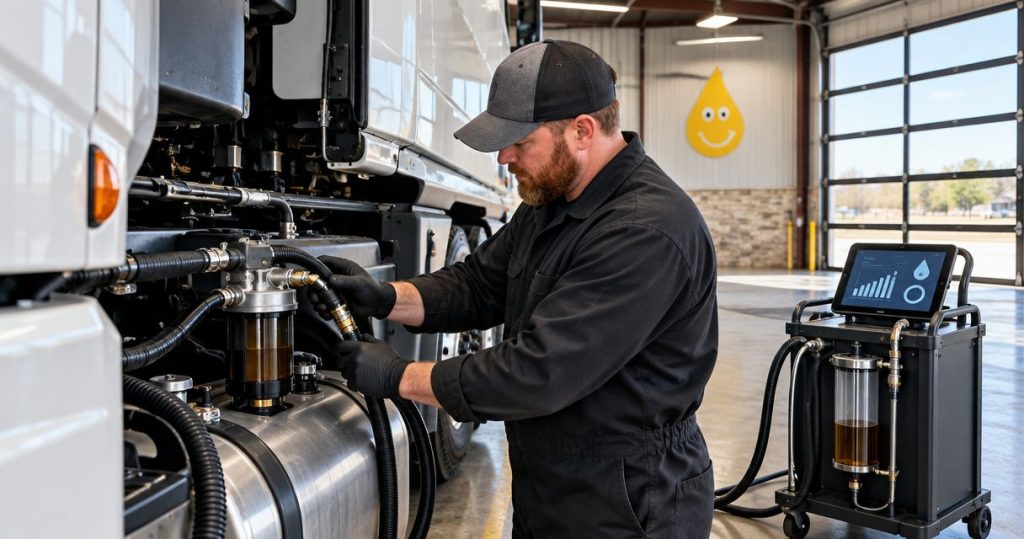
For a fuel system cleaning service, choose the provider by the work your vehicle needs: Bolton Oil Change for a conversation about routine fuel system services, a manufacturer service department for a vehicle-specific procedure, or a qualified repair shop for an unresolved running problem. A maintenance service and a diagnosis are different purchases; choose between them before choosing a shop.
- Bolton Oil Change is a local option for routine fuel system services, not mechanical diagnosis or repair.
- Choose a fuel system cleaning service by its exact procedure and your vehicle’s maintenance guidance.
- For rough running, warning lights, or repeated stalling, arrange diagnosis rather than buying cleaning as a presumed fix.
- Ask what the service includes before authorizing work; the service name alone does not explain the procedure.
Choose the work before the shop
The best choice is the provider whose work matches your reason for visiting. If you’re keeping up with maintenance, start with your vehicle’s guidance. If you’re trying to solve a problem, start with diagnosis.
Bolton Oil Change offers fuel system services alongside oil changes and closely related maintenance at three Lubbock locations. Bolton Oil Change fuel system services are best for customers seeking routine maintenance, not mechanical diagnosis or repair. Confirm the proposed procedure and its suitability for your vehicle before authorizing it.
That distinction matters more than a broad “best shop” label. An efficient maintenance visit isn’t a substitute for identifying why an engine runs poorly, and a repair appointment isn’t automatically necessary when you simply need approved routine service.
What makes a good service
Use these criteria to compare your options in 2026:
- Vehicle fit: The proposed work should suit your engine and follow applicable manufacturer guidance.
- Clear scope: You should understand what the technician will do, not just the name on the service menu.
- A sound reason: A maintenance recommendation should explain why the work is appropriate for your vehicle.
- Correct service boundary: A shop should distinguish routine maintenance from troubleshooting and repair.
- Practical access: Confirm how the visit works, including whether the provider requires an appointment.
A familiar service name does not establish that two providers perform equivalent work. Ask about the procedure before comparing recommendations.
Service options at a glance
These are service routes, not a ranking of unverified local businesses. Each serves a different need.
| Option | Best for | Main advantage | Key limitation |
|---|---|---|---|
| Bolton Oil Change | Routine fuel system service inquiries | Local, drive-up maintenance business with three Lubbock locations | Does not provide general mechanical diagnosis or repair |
| Manufacturer service department | Questions about a vehicle-specific procedure | A place to request guidance tied to your exact vehicle | Confirm the offered procedure and visit requirements directly |
| Qualified repair shop | Unexplained running problems | Diagnosis before deciding whether cleaning is relevant | A diagnostic visit is different from routine maintenance |
1. Bolton Oil Change: routine maintenance
Bolton Oil Change offers fuel system services as part of its focused maintenance business. You can visit during business hours without an appointment and ask whether the available service fits your vehicle’s needs.
The business specializes in oil changes and closely related maintenance, rather than general automotive repair. That makes the service boundary straightforward: discuss routine maintenance here, but arrange mechanical diagnosis elsewhere when there’s an unresolved problem.
Best for: Customers who want to discuss fuel system maintenance during a drive-up maintenance visit.
Bolton Oil Change pros:
- Fuel system services are part of the approved service catalog.
- No appointment is needed during business hours.
- Three Lubbock locations provide local options for a visit.
Bolton Oil Change limitations:
- General mechanical diagnosis and engine repair are outside the service catalog.
- Confirm the exact fuel system procedure and vehicle suitability before approving work.
Bring any relevant maintenance records and explain what prompted your interest. “My manual recommends this,” “I don’t know when it was last done,” and “the engine has started running poorly” call for different conversations.
Verdict: Choose this route for appropriate routine maintenance, not as a substitute for diagnosing a running problem.
2. Manufacturer service department: vehicle-specific guidance
A manufacturer service department is a route to consider when your question concerns an exact procedure, maintenance requirement, or manufacturer instruction. Start with the owner’s manual, then ask the department to explain how its recommendation applies to your vehicle.
The useful comparison is between the proposed work and your vehicle’s requirements—not between a familiar badge and an independent business. Ask for the procedure in plain language and confirm whether the department performs it.
Best for: Owners who need help interpreting vehicle-specific maintenance guidance.
Manufacturer service department pros:
- Provides a route for requesting information tied to your vehicle’s make and model.
- Lets you ask about an exact manufacturer instruction rather than a generic service name.
- Gives you an opportunity to clarify whether the proposed work is maintenance or problem-related.
Manufacturer service department limitations:
- Confirm local services and scheduling requirements directly.
- A recommendation still needs an explanation; the provider’s identity does not replace one.
Have your model year, engine information, and maintenance history available. If someone says cleaning is required, ask which vehicle guidance or finding supports that recommendation.
Verdict: Choose this route when the unanswered question is what your particular vehicle requires.
3. Qualified repair shop: diagnosis first
A qualified repair shop is the appropriate route when your main concern is an unexplained change in how the vehicle runs. Rough running, repeated stalling, or an illuminated warning light does not, by itself, establish that fuel system cleaning is the answer.
Describe what happens rather than requesting a specific fix. Explain when the concern occurs, whether it is intermittent, and what work has already been performed. Ask whether the shop can diagnose that concern before scheduling.
Best for: Owners trying to identify the cause of a running problem.
Qualified repair shop pros:
- Keeps the visit focused on identifying the problem before selecting work.
- Allows you to distinguish a maintenance recommendation from a repair recommendation.
- Gives you a basis for asking whether cleaning is relevant to the findings.
Qualified repair shop limitations:
- Capabilities differ; confirm the shop handles your vehicle and concern.
- Diagnosis does not guarantee that cleaning will be recommended or resolve the issue.
Do not treat a cleaning service as a shortcut around a warning light. Follow your owner’s manual for warning-light instructions, and prioritize safety if the vehicle is stalling or operating abnormally.
Verdict: Choose diagnosis first when the purpose of your visit is to solve a problem.
Before you authorize the work
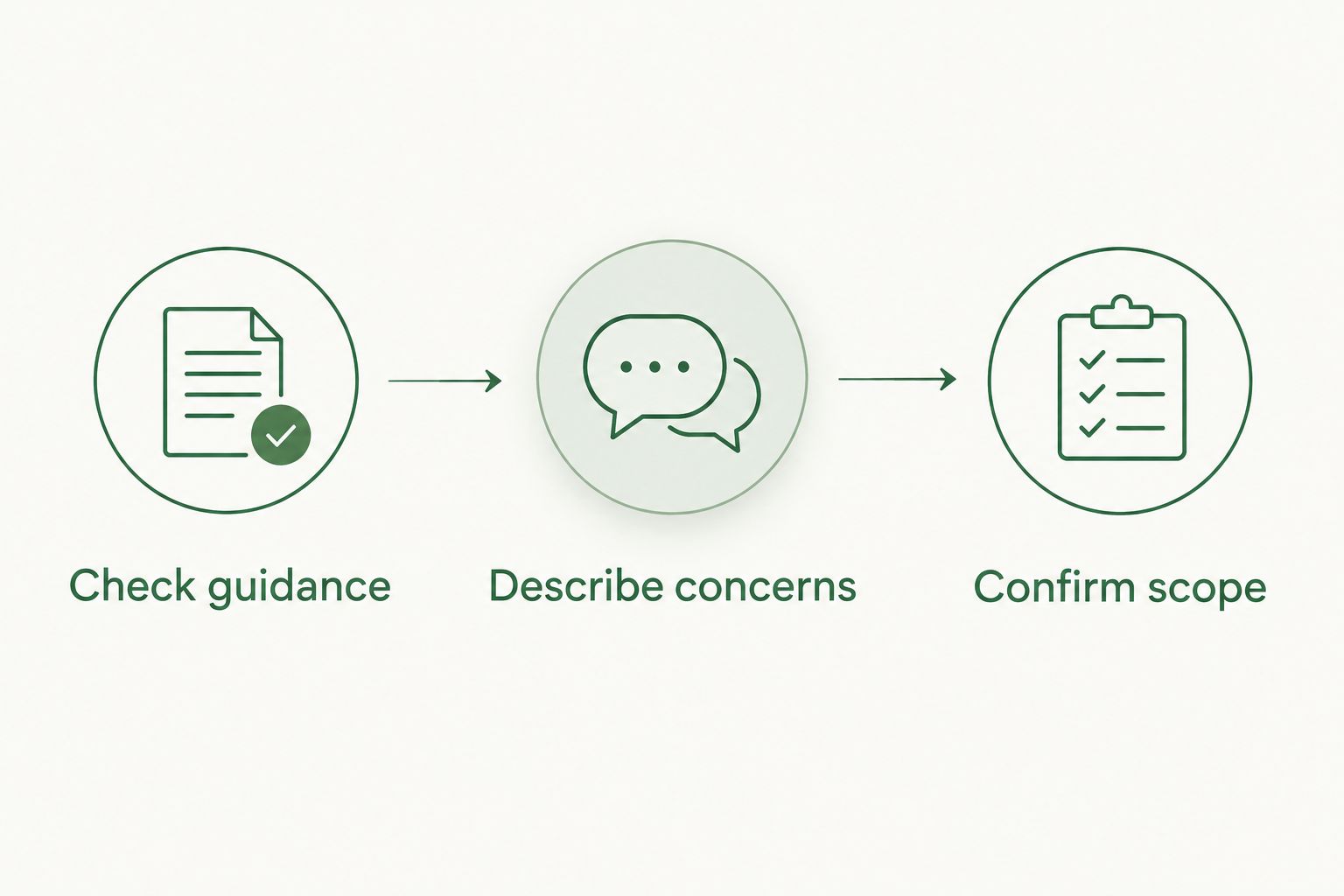
A useful service conversation follows a simple sequence:
- Check guidance. Read the relevant maintenance information in your owner’s manual and review your records. Don’t adopt a universal cleaning interval without checking whether it applies.
- Describe concerns. Tell the provider whether you’re maintaining the vehicle or investigating a change in its operation. Include recent work that could help explain the situation.
- Confirm scope. Ask what the proposed service involves, why it is appropriate, and what it does not address.
The goal is an informed decision, not a technical examination at the counter. You should leave the conversation knowing what you’re authorizing and why.
Ask one more question if the recommendation still feels unclear: “What makes this appropriate for my vehicle now?” A useful answer connects the work to vehicle guidance, service history, or an identified concern—not merely to the availability of a service.
How these options were ranked
The order follows the reader’s purpose: routine maintenance, vehicle-specific guidance, then problem diagnosis. It does not rank local businesses by unverified reviews, results, or comparative claims.
Bolton Oil Change appears first because fuel system services are part of its stated maintenance offering. A manufacturer service department and a qualified repair shop belong in different decision slots, not below it as supposedly inferior alternatives.
Which route should you choose?
If your vehicle is operating normally and you’re considering routine fuel system service, begin with its maintenance guidance and a clear explanation of the proposed work. If the question is manufacturer-specific, request vehicle-specific guidance. If the vehicle has a running problem, arrange diagnosis.
For a routine maintenance inquiry in Lubbock, stop by during business hours and discuss your vehicle’s needs before approving service. There’s no need to arrive already committed to a cleaning procedure.
FAQ
What should I bring when I ask about fuel system service?
Bring your vehicle information and any maintenance records you have. Explain whether you’re following a recommendation, catching up on records, or investigating a change in how the vehicle runs.
Does an engine air filter replacement count as fuel system cleaning?
No. Engine air filter replacement and fuel system cleaning are different services, so ask which task the recommendation covers rather than treating them as interchangeable.
Can I compare two services with the same name?
Compare their procedures, not just their names. Ask each provider what the work includes and why it suits your vehicle before deciding whether the recommendations are equivalent.
Does higher mileage automatically mean I need fuel system cleaning?
Mileage alone does not establish that a particular cleaning procedure is needed. Review your vehicle’s maintenance guidance, service history, and any identified concerns before authorizing work.
What if I don’t know whether a previous owner had the service done?
Start with the records you can obtain and your vehicle’s maintenance guidance. Tell the provider the history is uncertain rather than assuming the service is overdue.
What should appear on my service record afterward?
Keep an invoice that identifies the work performed, along with the service date and vehicle mileage. A specific record is more useful for future maintenance decisions than a general note saying the vehicle was serviced.
One last thing
Ask for the procedure’s name on your service record. The next time someone recommends fuel system work, you’ll have something concrete to compare—not just a memory that the vehicle had “a cleaning.”
For routine maintenance, visit a location during business hours and explain what brought you in. If your concern is a running problem, make diagnosis your next step instead.
Related guides
- Engine air filter replacement options for West Texas drivers
- Oil change options for high-mileage vehicles in Lubbock
- Synthetic oil change options for Lubbock drivers